Rust Repair: When a Small Spot Becomes a Structural Problem
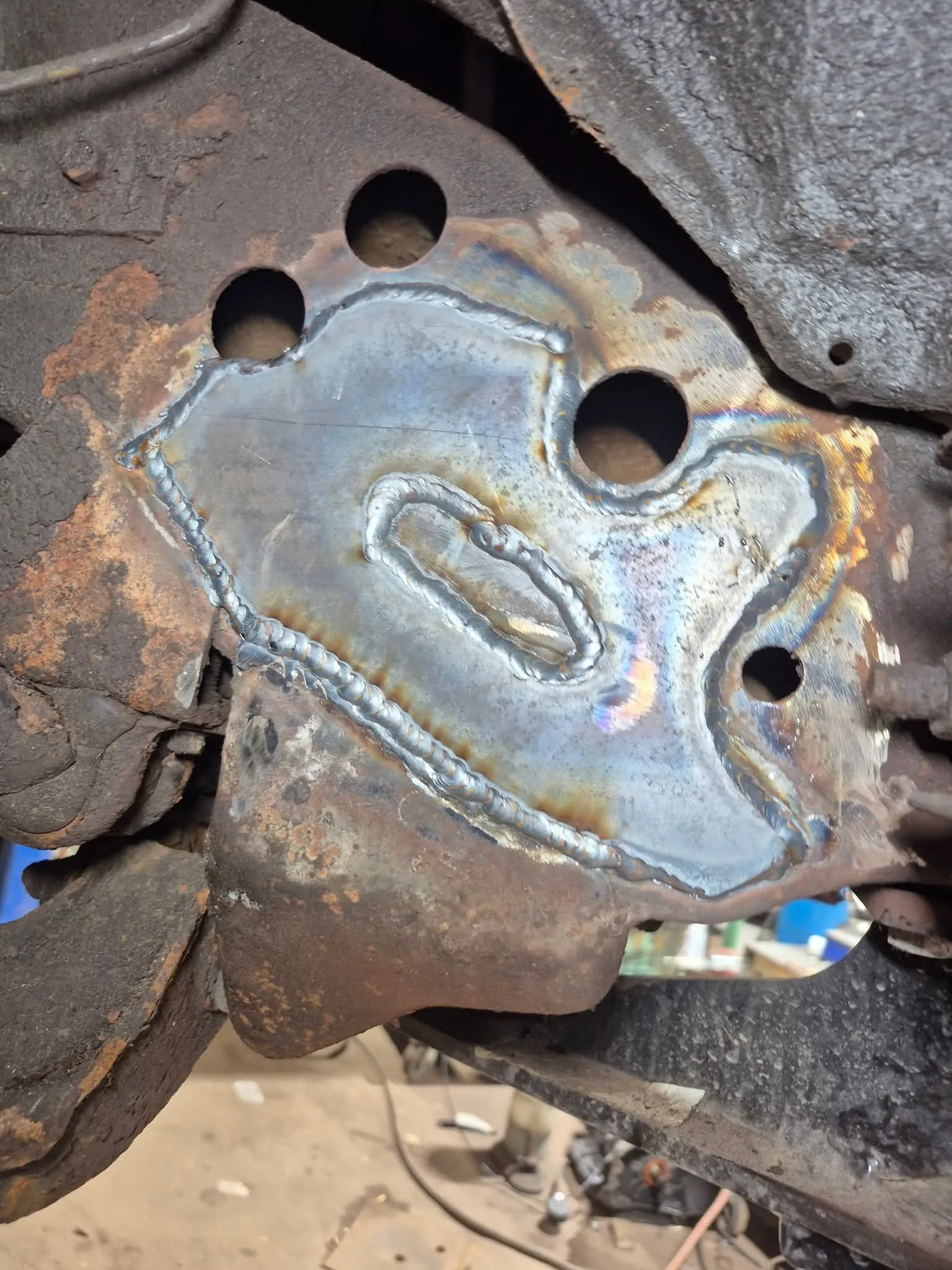
Rust rarely stays as small as it first appears. A little orange discoloration on a rocker panel, frame rail, or suspension mount can be the first visible sign of corrosion developing underneath the surface.
Some rust is mainly cosmetic. Other rust removes metal, weakens mounting points, and affects the structure that keeps your vehicle safe. Knowing the difference can help you decide whether the vehicle needs basic corrosion protection, a professional inspection, or proper metal replacement and welding.
At Iron Clad TIG Welding & Mechanic, rust repair is handled as both a metalwork job and a vehicle safety concern. Our precision welding and custom fabrication services include rust repair, frame reinforcement, custom brackets, and repairs built around the vehicle’s original structure.
Surface rust versus structural rust
Surface rust
Surface rust affects the outer layer of the metal. It often appears as:
- A light orange or brown film
- Small areas of roughness
- Minor paint bubbling
- Rust around exposed edges or chipped paint
- Light discoloration on otherwise solid steel
With surface rust, the metal underneath is still strong and has not lost much thickness. Once the rust is removed, the area may only need cleaning, corrosion treatment, primer, paint, or an appropriate protective coating.
Surface rust should still be dealt with promptly. Moisture, salt, and road debris can allow it to spread into seams, brackets, and hollow sections.
Structural rust
Structural rust is more serious because corrosion has reduced the thickness and strength of the metal. It may affect:
- Frame rails
- Subframes and crossmembers
- Suspension mounting points
- Steering or control-arm brackets
- Shock towers
- Rockers and floor sections
- Seat-belt mounting areas
- Body mounts
- Welded seams and reinforcement sections
Warning signs include deep pitting, heavy scale, holes, soft spots, separated seams, or metal that crumbles when touched. Even a relatively small damaged area can be a structural problem if it is located near a suspension mount or another load-bearing part.
The location matters as much as the size. A small hole in a non-structural body panel is not the same as a small hole beside a control-arm mount.
Warning signs that rust may be structural
A close look underneath the vehicle can reveal more than what is visible from the outside. Watch for these signs:
Flaking or layered metal
Rust scale can build up in layers. If flakes break away easily, the corrosion may have removed a significant amount of material underneath. Grinding the surface may reveal thin steel or additional holes.
Holes and perforations
A visible hole is a clear sign that corrosion has moved beyond the surface. Holes around frame rails, suspension mounts, floor supports, or rockers should not be covered with filler or undercoating.
Soft or “crunchy” areas
Healthy steel should feel solid. If a rusted section flexes, sounds hollow, or crumbles when lightly checked, the area needs a professional assessment.
Do not forcefully probe areas near fuel lines, wiring, brake lines, or fuel tanks. If you are unsure what you are looking at, it is safer to have an automotive repair shop inspect it on a lift.
Cracked seams or separated welds
Rust can spread between joined panels and along factory seams. Corrosion may also cause an existing weld or bracket to separate. This can affect the way loads move through the chassis.
Changes in vehicle behaviour
Rust-related structural problems can sometimes show up while driving. Possible signs include:
- The vehicle pulls to one side
- The steering feels different after bumps
- Wheels will not stay properly aligned
- Uneven or unusual tire wear
- New creaks, clunks, or body movement
- Doors or body panels no longer line up correctly
These symptoms can have many causes, so they do not prove that rust is the problem. However, when they occur alongside visible corrosion, the vehicle should be inspected before continued driving.
Why filler and paint are not structural repairs
Body filler has a useful place in cosmetic bodywork. It can help smooth a properly repaired, non-structural panel before primer and paint.
It cannot replace missing steel.
Filler does not restore the strength of a frame rail, rocker, suspension mount, floor support, or bracket. Paint and undercoating also do not add meaningful structural strength. They can protect sound metal after a repair, but they should not be used to hide weak or missing material.
A thick layer of undercoating over flaking metal can make a vehicle look repaired while leaving the corrosion underneath. Rust may continue spreading between the coating and the steel, making the problem harder to see later.
A proper structural repair starts by removing the damaged metal, not covering it.
How professional rust repair is completed
Every vehicle and rust area is different, but a proper repair generally follows a clear process.
1. Inspect the surrounding structure
The damaged area is checked from different angles to determine how far the corrosion has spread. The inspection should include nearby seams, brackets, mounting points, and the inside of boxed sections where possible.
The goal is to identify solid metal and separate it from metal that is only being held together by rust, scale, paint, or undercoating.
2. Cut back to sound material
The damaged section is cut back until the remaining steel is strong enough to support a repair. This is one of the most important steps.
Stopping at the edge of a visible hole may leave thin or weakened metal behind. The repair area has to extend far enough to reach solid material. Cutting out more metal can look dramatic, but it creates a better foundation for the replacement piece.
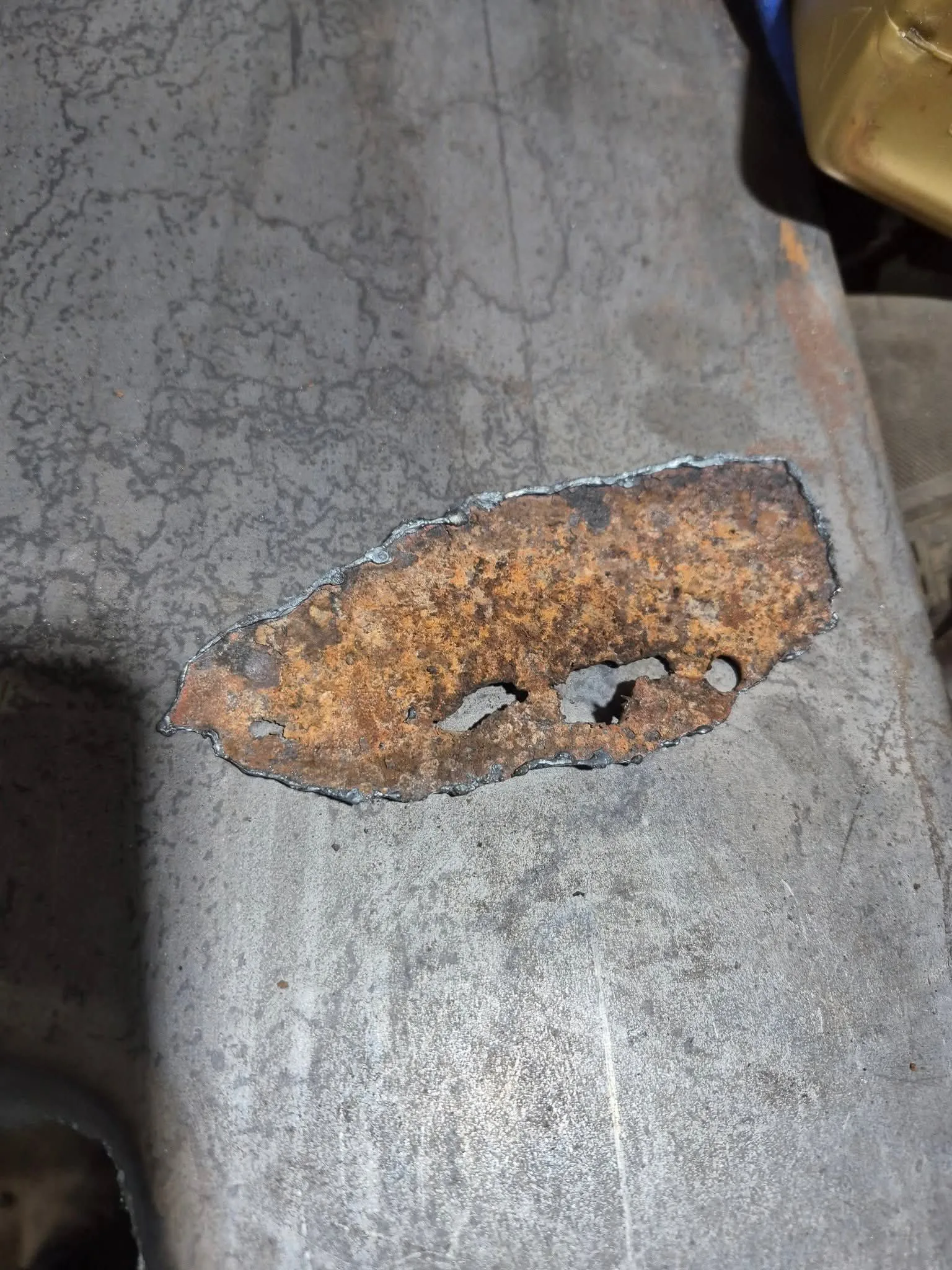
3. Fit new steel
A replacement section is shaped to match the original panel, frame area, or bracket. The new material needs to fit correctly around nearby components and maintain the original clearances.
For a frame or structural section, the shape, thickness, placement, and attachment method all matter. A patch should not interfere with suspension movement, exhaust routing, brake lines, wiring, drainage, or future service access.
This is where custom metal fabrication makes a difference. A one-off patch can be made for the vehicle rather than forcing a poor fit with a universal piece.
4. Weld the repair
The new material is welded to the surrounding sound steel using an appropriate process and setup. The objective is a strong, controlled connection with suitable heat management and penetration.
Depending on the vehicle and material, repair work may involve MIG or TIG welding. The right process depends on the thickness, location, accessibility, original construction, and required finish.
A structural repair should never be judged only by how smooth the weld looks. Fit-up, weld placement, penetration, surrounding metal condition, and the repaired area’s geometry all matter.
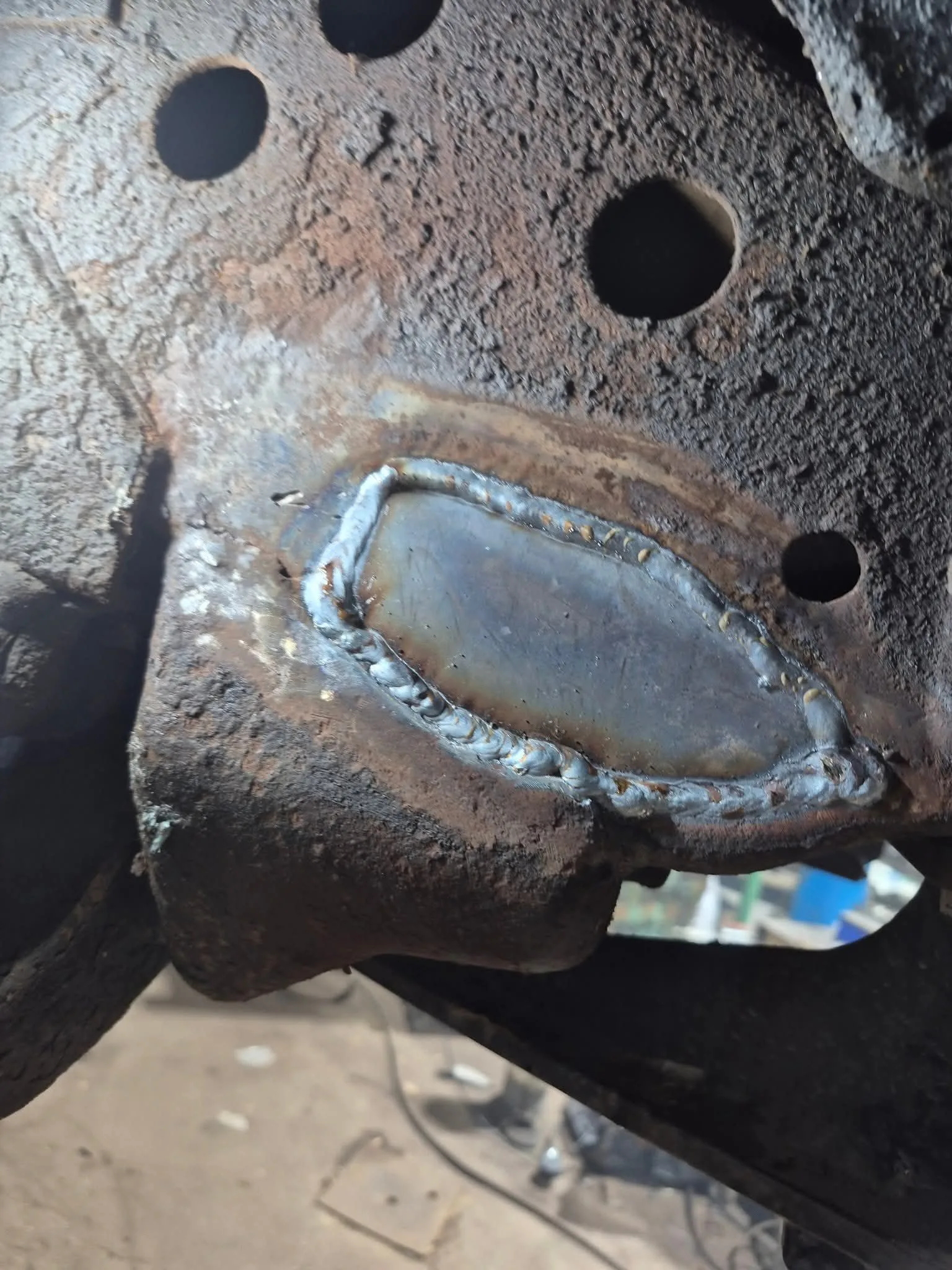
5. Check the finished repair
After welding, the repair is cleaned and checked. The surrounding structure, welds, mounting locations, and component clearances are reviewed before the area is protected.
The final finish may include suitable primer, chassis paint, seam sealer, or underbody protection. These coatings help keep moisture away from the repaired steel, but they are the final part of the job, not the repair itself.

When should you book an inspection?
Book an inspection if you notice:
- Rust on a frame rail or subframe
- Flaking metal near a suspension or steering mount
- Holes in the floor, rocker, frame, or crossmember
- Cracked or separated seams
- A soft area under fresh paint or undercoating
- Rust returning quickly after a previous repair
- Handling, alignment, or tire-wear changes alongside visible corrosion
If a structural area has holes or feels unsafe, avoid assuming that the vehicle is suitable for normal driving. A professional can determine whether the corrosion is repairable, requires a larger section replacement, or has progressed too far for a safe repair.
Photos can help start the conversation, but they do not replace an inspection. Rust often spreads behind panels and inside boxed sections where a picture cannot show the full condition.
Repair the metal, not just the appearance
A lasting rust repair is more than making a damaged area look black and smooth. The weak metal has to be removed, new material has to be fitted correctly, and the finished work has to be checked before protective coatings are applied.
That is the difference between covering corrosion and restoring the vehicle’s structure.
If your car, truck, or specialty vehicle has frame corrosion, rusted mounts, or a repair that needs custom-fitted steel, contact Iron Clad TIG Welding & Mechanic. We can review the vehicle, the damage, and the practical next step for a safe, durable repair.
For general mechanical concerns connected to rust (such as suspension, steering, brakes, or exhaust issues) our automotive repair shop services can help assess the complete problem rather than treating one visible symptom.
For general background on inspecting corrosion, see CARFAX’s guide to inspecting a rusted car. A professional inspection is recommended whenever rust affects structural or safety-related components.